
The Story of
Lake Tahoe
From the Washoe homeland and the Comstock clear-cut to Gilded Age steamers, the 1960 Olympics, and the century-long fight to Keep Tahoe Blue.
A Lake at the Center of Everything
Lake Tahoe's story begins more than 9,000 years ago with the Washoe people, whose entire world was organized around Dá'aw — "the lake" — the sacred center of their homeland high in the Sierra Nevada. When John C. Frémont recorded the first Euro-American sighting from a snowbound ridge in 1844, he set in motion a century and a half of transformation: emigrant trails and the Donner tragedy, the Comstock Lode that clear-cut nearly the entire basin, and a Gilded Age reinvention that put steamships on the water and grand resorts on the shore.
The twentieth century layered on new identities — neon casinos hugging the Nevada line, the 1960 Winter Olympics that made Tahoe a global ski destination, and finally the conservation awakening that produced the nation's first bi-state environmental compact. Today the lake is both a recreation capital hosting fifteen million visitors a year and one of America's great environmental success stories in progress — still the second-deepest lake in the country, still 99.7% pure, and still worth every fight it has ever inspired.
Lake Tahoe holds enough water to cover the entire state of California 14 inches deep — about 39 trillion gallons, 99.7% pure.
Lake Tahoe's Historical Timeline
From the Washoe homeland through the Comstock clear-cut, the steamer era, the Olympics, and the modern conservation age. Click any event to read the full story.
Dá'aw — The Washoe People's Sacred Center
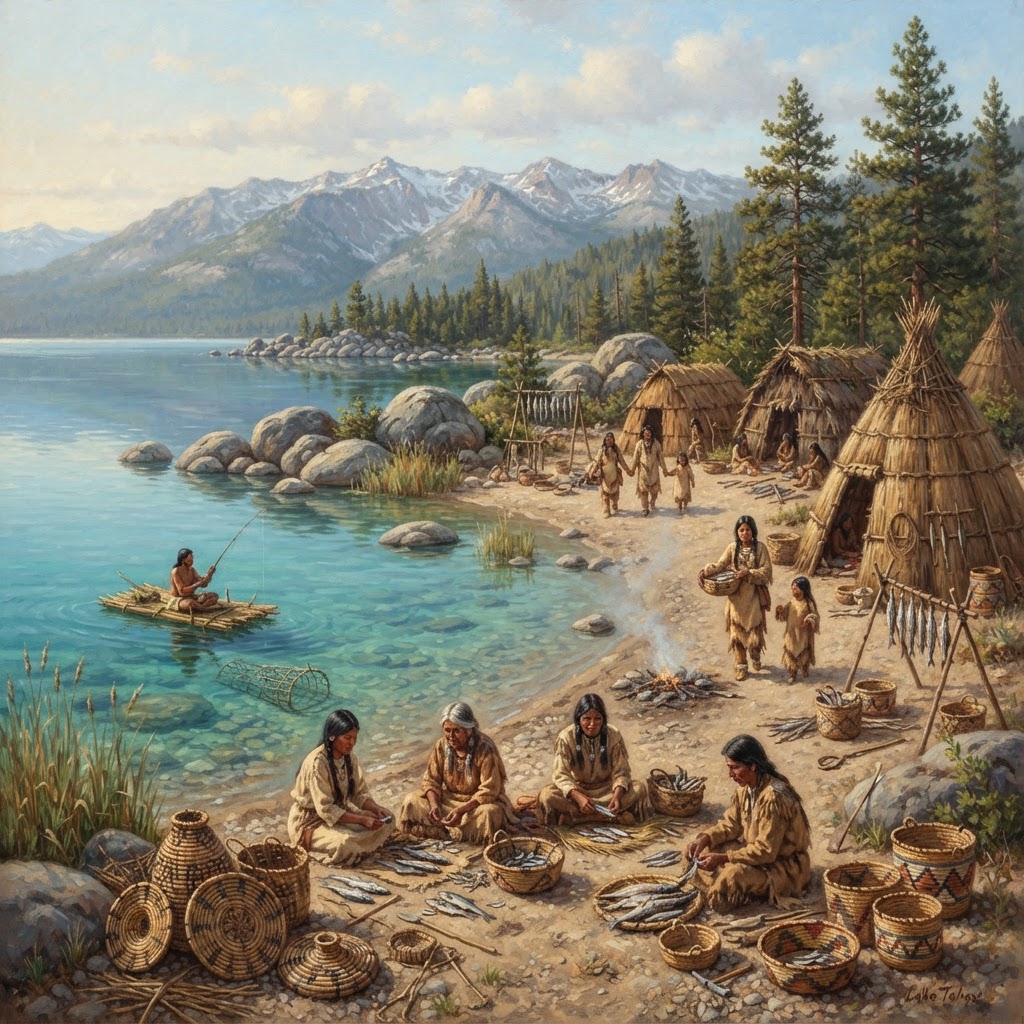
For thousands of years, Lake Tahoe — Dá'aw in the Washoe language — was the geographic and spiritual heart of the Washoe people, who summered along its shores fishing, hunting, and gathering.
Frémont's Expedition — The First Recorded Sighting
In February 1844, explorer John C. Frémont and cartographer Charles Preuss became the first Euro-Americans to record seeing Lake Tahoe, spotting it from Red Lake Peak while crossing the snowbound Sierra.
The Comstock Lode Strips the Basin
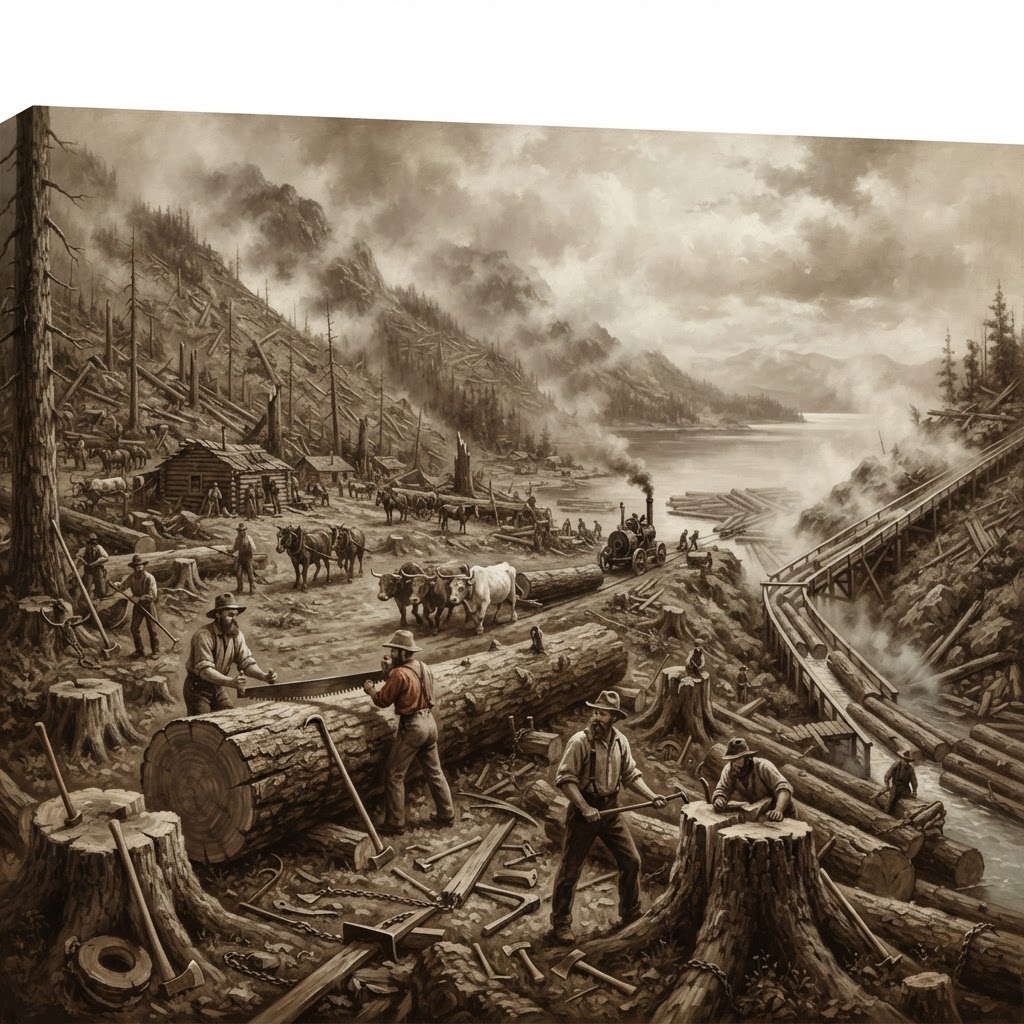
The discovery of silver in Virginia City triggered one of history's great deforestations — nearly the entire Tahoe Basin was clear-cut to timber the Comstock mines and build boomtowns.
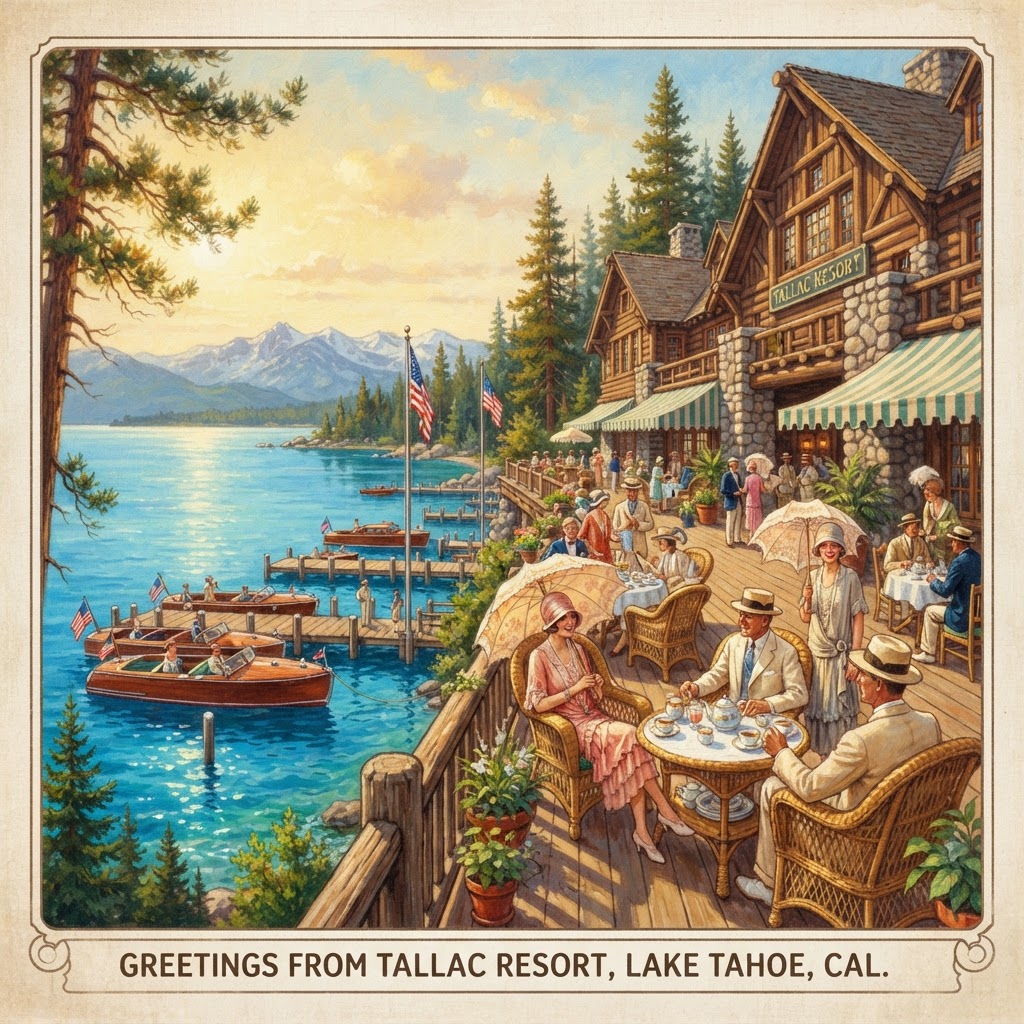
Steamships, Grand Resorts & the Gilded Age Lake
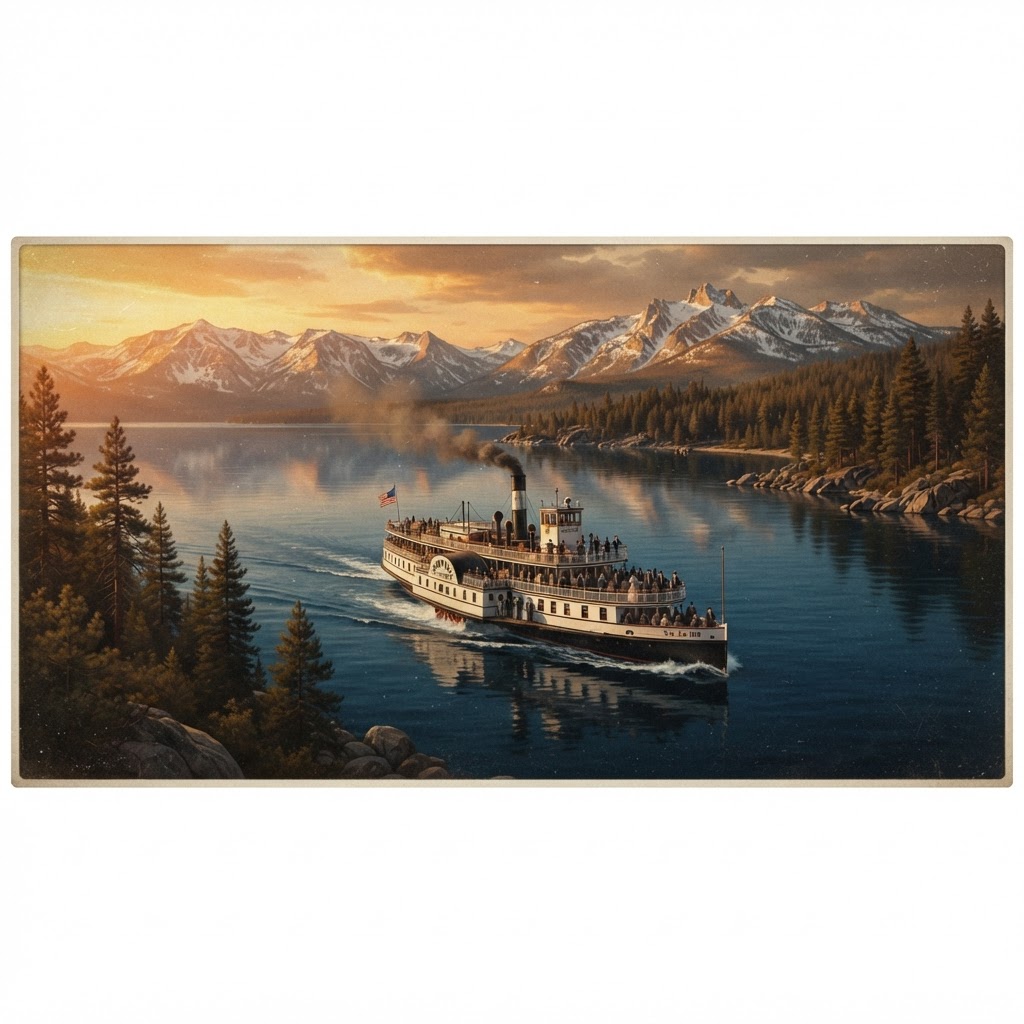
As logging faded, Tahoe reinvented itself as a Gilded Age playground — the steamer SS Tahoe circled the lake daily, and grand resorts like the Tallac House drew San Francisco society by rail and boat.
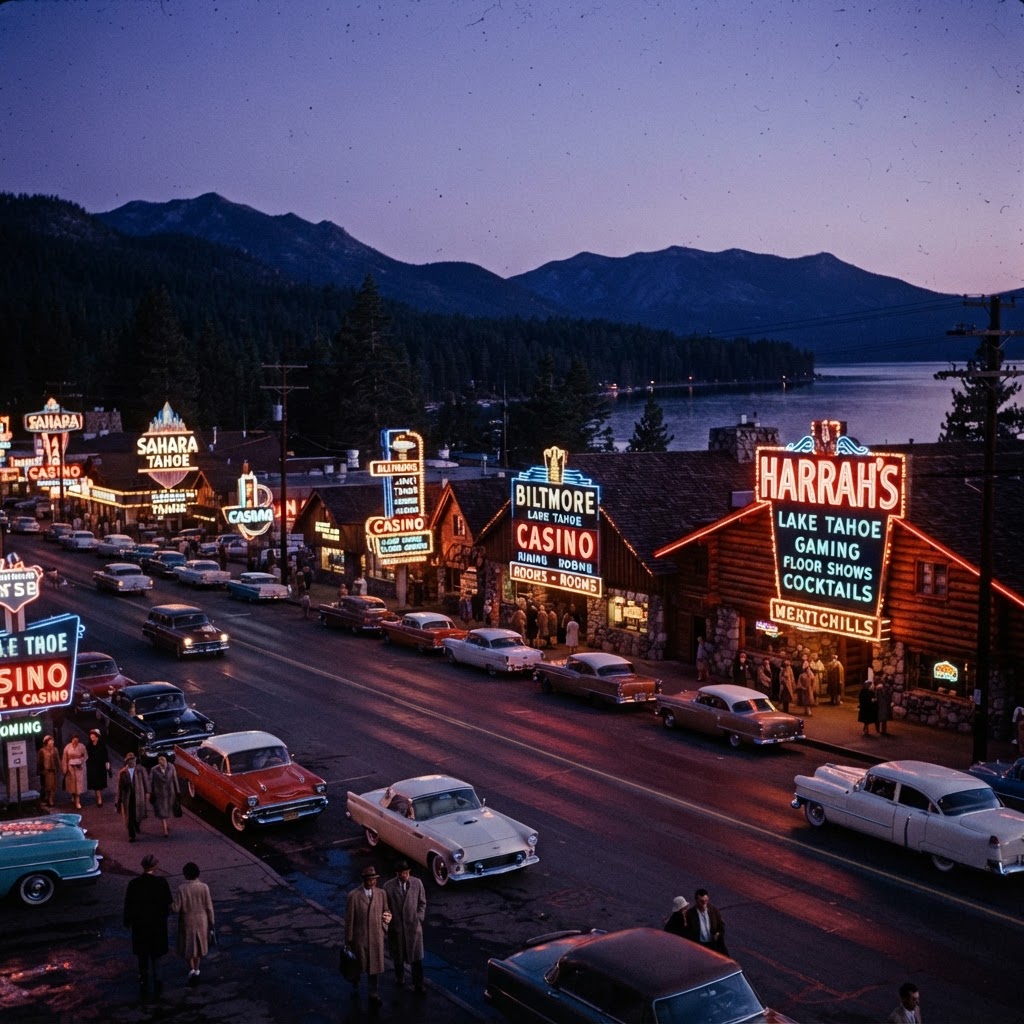
Nevada Gaming Builds Stateline
Nevada's legal gambling transformed the South Shore's state line into a neon resort corridor — Harvey's Wagon Wheel opened in 1944, followed by Harrah's, launching Tahoe's casino era.
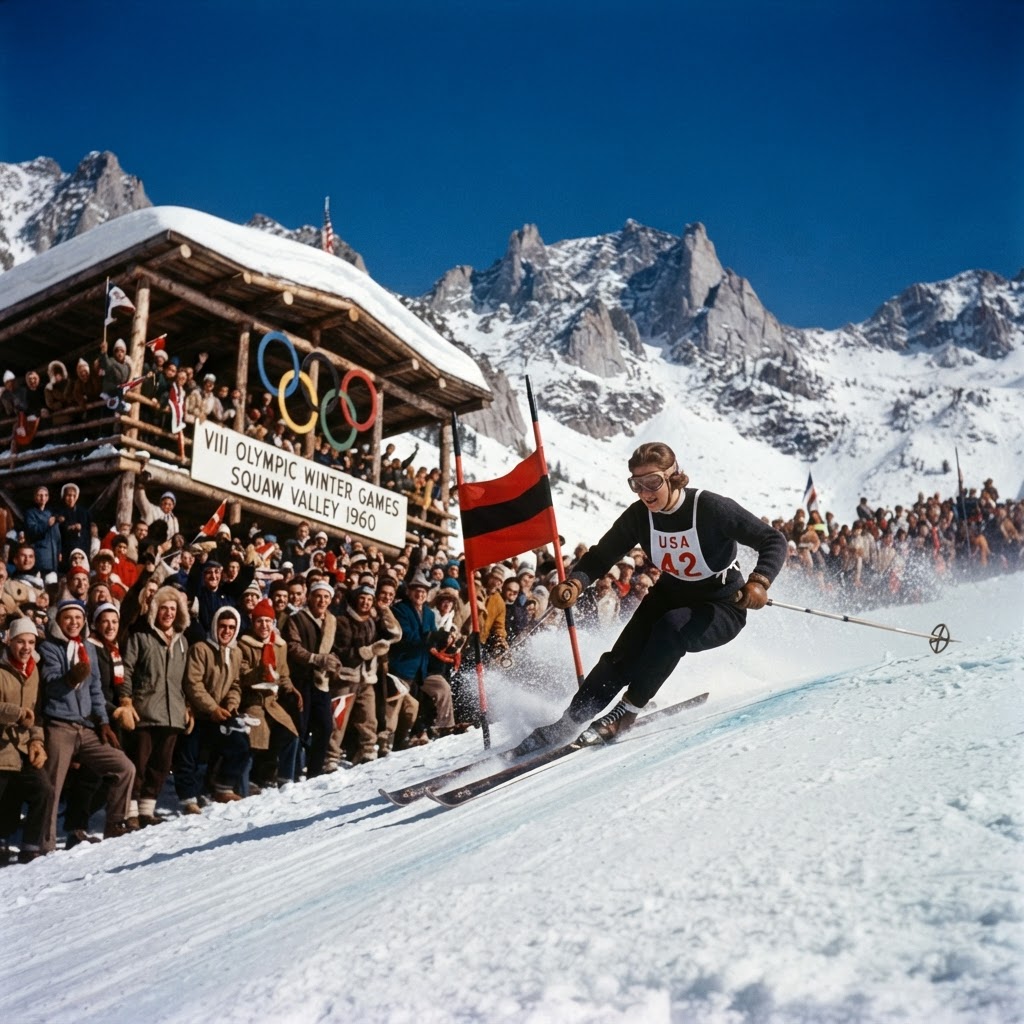
The 1960 Winter Olympics at Squaw Valley
Against all odds, tiny Squaw Valley (now Palisades Tahoe) hosted the VIII Olympic Winter Games — the first televised Winter Olympics — and put Tahoe on the world's winter sports map forever.
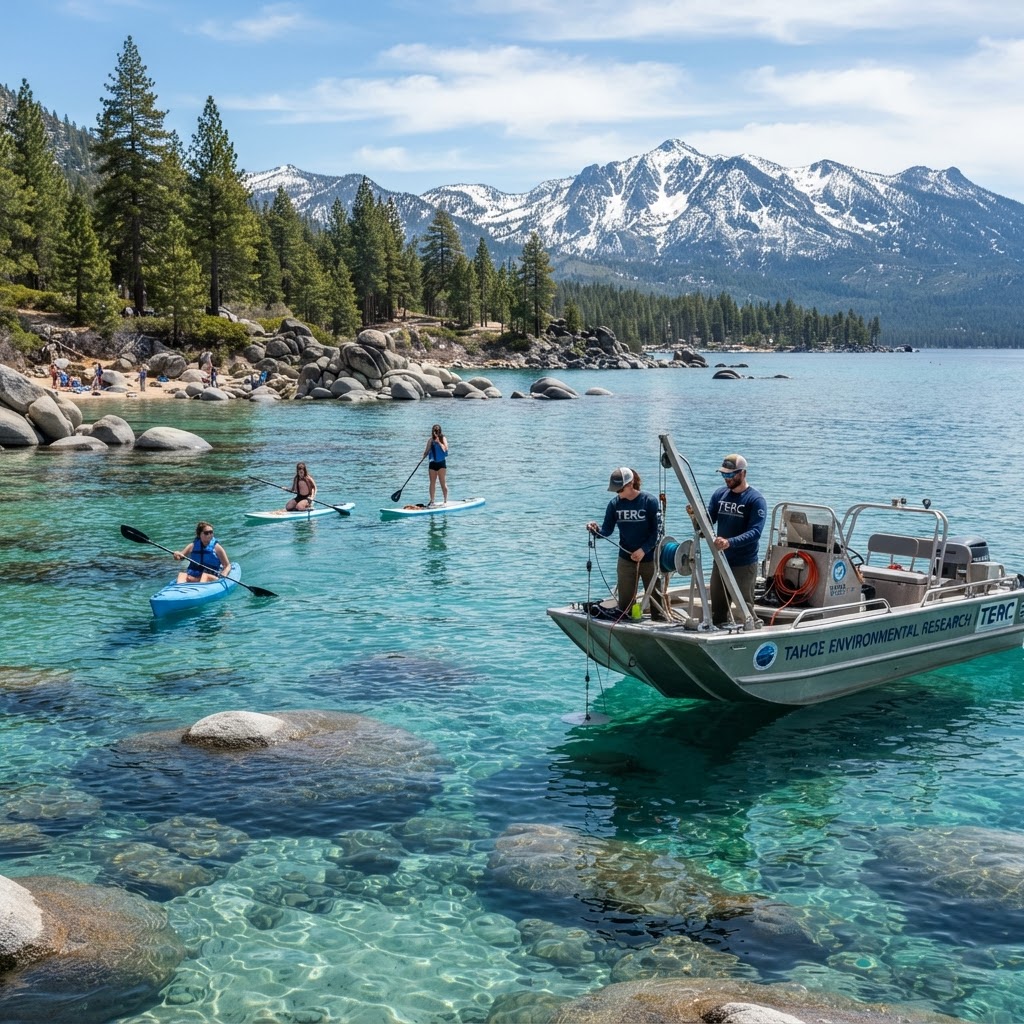
The Bi-State Compact — Governing a Shared Lake
Explosive postwar development threatened the lake's famed clarity, prompting California and Nevada to create the Tahoe Regional Planning Agency — the nation's first bi-state environmental compact.
Modern Tahoe — Recreation Capital & Climate Frontline
Today's Tahoe balances world-class recreation — skiing, paddling, trail networks, and events — with the hard work of protecting an irreplaceable alpine lake in a changing climate.
Why This History Matters Today
You can read Tahoe's history just by moving through it. The forest around you is almost entirely second growth — the living evidence of the Comstock clear-cut. The SS Tahoe still rests on the lakebed off Glenbrook. Vikingsholm and the Tallac estates preserve the Gilded Age in timber and stone, Olympic Valley's flame still burns from 1960, and the casinos at Stateline mark the invisible line that has split — and defined — the lake since Nevada legalized gaming.
Most of all, the water itself is the history. Every foot of clarity you see looking down from a kayak at Sand Harbor is the result of a conservation fight that began when Californians and Nevadans refused to let a freeway cross Emerald Bay. Understanding that story turns a visit into a connection — and makes every visitor part of the century-long project to Keep Tahoe Blue.
This overview is high-level editorial history. For primary source research, visit the Gatekeeper's Museum in Tahoe City, the Lake Tahoe Historical Society in South Lake Tahoe, or the Nevada Historical Society in Reno.
Historic Landmarks
Visit the places where Tahoe's history was made — from a Scandinavian castle at Emerald Bay to the sacred rock of the Washoe and the site of the Donner Party's winter.
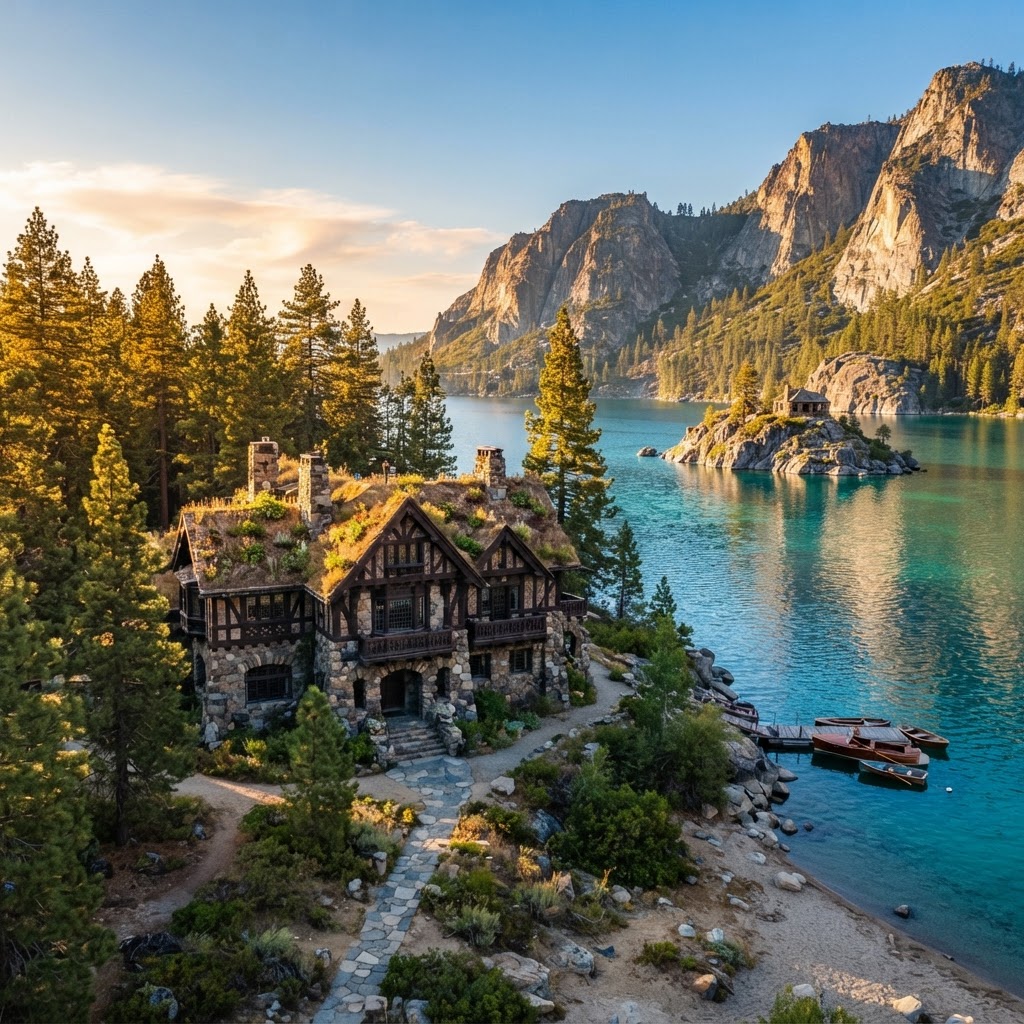
Vikingsholm Castle
Lora Josephine Knight's 38-room Scandinavian-style mansion at the head of Emerald Bay is considered the finest example of Nordic architecture in the Western Hemisphere — hand-hewn timbers, sod roofs, and carved dragons, all built in a single summer by 200 craftsmen.
A National Historic Landmark-caliber estate inside Emerald Bay State Park; Fannette Island's stone teahouse — the lake's only island — was part of the property.
Tallac Historic Site
The preserved summer estates of three Gilded Age families — the Baldwin, Pope, and Heller (Valhalla) properties — stand where 'Lucky' Baldwin's legendary Tallac House resort once drew San Francisco society. Today the pines, boathouses, and lawns host museums and summer festivals.
Listed on the National Register of Historic Places; the best-preserved window into Tahoe's grand resort era.
Thunderbird Lodge
Eccentric millionaire George Whittell Jr.'s stone masterpiece on the Nevada East Shore — complete with a 600-foot underground tunnel, opium den, and the mahogany speedboat 'Thunderbird' in its boathouse. Whittell's refusal to develop his 27 miles of shoreline accidentally preserved the East Shore wilderness.
On the National Register of Historic Places; Whittell's vast holdings became the protected public East Shore, including Sand Harbor.
Cave Rock (De'ek Wadapush)
The volcanic monolith rising from the East Shore is among the most sacred places of the Washoe people — traditionally reserved for shamans and treated with deep reverence. US-50 tunnels through it today, and climbing is banned in recognition of its spiritual significance.
Listed on the National Register as a Traditional Cultural Property of the Washoe Tribe — one of the first such designations in the nation.
Donner Memorial State Park
The site where the Donner Party endured its catastrophic winter entrapment in 1846–47 is now a state park and museum at Donner Lake. The Pioneer Monument's pedestal stands 22 feet tall — the estimated depth of the snow that fateful winter.
A National Historic Landmark commemorating the most infamous chapter of the overland emigration and the perils of the Sierra crossing.
Gatekeeper's Museum & Watson Cabin
At the lake's only outlet, the Gatekeeper once hand-regulated the dam controlling the top six feet of the lake — the Truckee River's water supply for Reno and beyond. The reconstructed cabin now houses Tahoe's history museum and a renowned collection of Washoe basketry.
Home of the North Lake Tahoe Historical Society and the Marion Steinbach Indian Basket Museum, with over 800 baskets from 85 tribes.
A Culture Built in Layers
Tahoe's identity isn't a single story — it's six overlapping ones. Each is alive at the lake today.
Washoe Living Heritage
The Washoe people have called Dá'aw home for thousands of years, and their story is not past tense. The Washoe Tribe of Nevada and California is increasingly a partner in basin land stewardship — including the return of land at Cave Rock's flanks and Meeks Bay — and Washoe basketry remains among the finest indigenous art traditions in North America.
The Comstock's Long Shadow
Virginia City's silver built San Francisco — and consumed Tahoe's forests to do it. The basin's second-growth forest, its flume-scarred slopes, and towns like Glenbrook and Incline Village (named for a timber tramway) all carry the logging era's fingerprints to this day.
Gilded Age Resort Culture
Steamers, grand hotels, and great estates made Tahoe the summer address of West Coast society. That legacy lives on at the Tallac Historic Site, Vikingsholm, and Thunderbird Lodge — and in a hospitality tradition that still defines the lake's economy.
Olympic & Ski Country
The 1960 Squaw Valley Games turned a remote Sierra valley into the cradle of California skiing. More than a dozen resorts ring the basin today, and Tahoe's ski culture — from Olympic racers to backcountry pioneers — remains among the deepest in North America.
Two States, One Lake
The California–Nevada line splits the lake and defines its character: casinos and showrooms inches into Nevada, state parks and ski towns on the California side, and a bi-state compact — the first of its kind in America — governing them both.
Keep Tahoe Blue
Born in 1957 to stop a freeway across Emerald Bay, the conservation movement became Tahoe's defining modern identity. Decades of science, regulation, and restoration have protected the lake's famous clarity — a civic project now entering its second century.
Notable Figures
The people who shaped Lake Tahoe — from its original stewards and Gilded Age builders to Olympic dreamers and the scientists keeping it blue.
The Washoe People
Original Stewards of Dá'aw
John C. Frémont
First Recorded Sighting
Mark Twain
Author & Tahoe Chronicler
Duane L. Bliss
Comstock Lumber Baron
E.J. 'Lucky' Baldwin
Tallac House Resort King
Lora Josephine Knight
Builder of Vikingsholm
George Whittell Jr.
East Shore's Accidental Preserver
Harvey Gross
Founder of Stateline Gaming
Alexander Cushing
Brought the 1960 Olympics
Frank Sinatra
Cal Neva Lodge Owner
Charles Goldman
Lake Clarity Scientist
The League to Save Lake Tahoe
'Keep Tahoe Blue'
Towns with Deep Roots
The communities around the lake each carry a different chapter of Tahoe's story — logging camps, railroad towns, resort landings, and casino corridors. Explore them.
South Lake Tahoe
Incorporated 1965
Born from a string of resort settlements and the postwar casino boom at Stateline, the lake's only incorporated city grew around Highway 50, Heavenly's slopes, and the Tallac resort legacy.
Tahoe City
Founded 1863
The North Shore's historic hub grew at the lake's only outlet — where the Gatekeeper tended the dam, the railroad met the steamers, and Tahoe's first resort town took shape.
Truckee
Founded 1863
A rough-and-tumble railroad and ice-harvesting town on the transcontinental line, Truckee's preserved Commercial Row is one of the best Old West downtowns in the Sierra.
Glenbrook
Founded 1860s
Once the industrial heart of the Comstock logging era — sawmills, flumes, and railways — Glenbrook is now the East Shore's quietest historic enclave.
Incline Village
Developed 1960s
Named for the Great Incline tramway that hauled Comstock timber over the ridge, the modern master-planned community rose in the post-Olympics resort boom.
Zephyr Cove
Resort Era
A historic East Shore resort landing from the steamer days, still home to the MS Dixie II paddlewheeler carrying on Tahoe's cruise tradition.
Keep Exploring Lake Tahoe
From the towns that made the lake to the parks, restaurants, and events that define it today.
Explore Everything LT
Local Business
Everything Network
Everything LT is your premium guide to Lake Tahoe — alpine lake life, both shores plus Truckee, ski culture, and year-round outdoor living. Events, restaurants, stays, and community — sourced from official local sources and curated for people who live here. Part of the Everything California network.
Explore More of California
The Everything Network — 16 California Regions